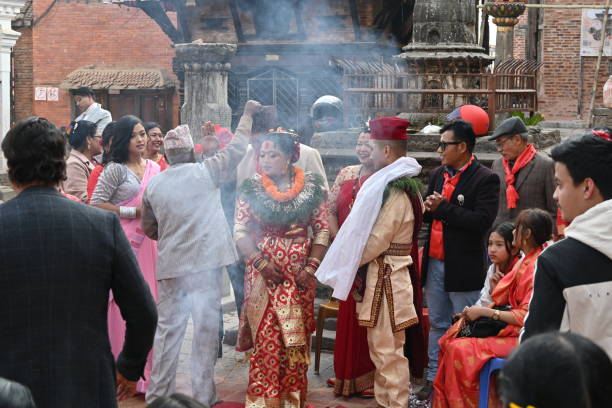
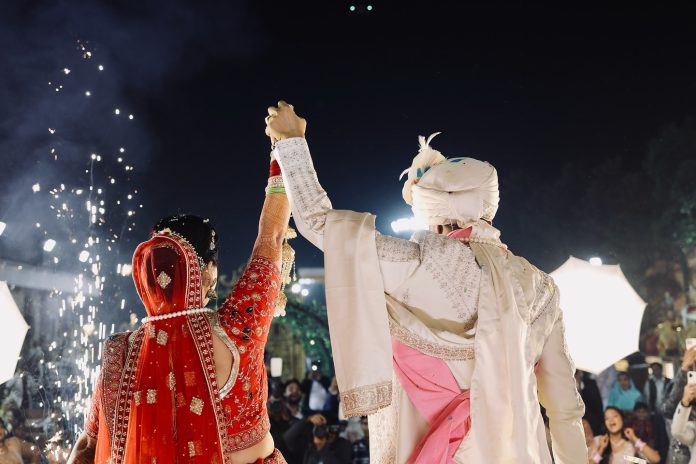
I’ll be honest, destination weddings started feeling a bit copy-paste lately. Same beaches, same pastel decor, same drone shots everyone posts on Instagram pretending it was “intimate.” That’s probably why the idea of a triyuginarayan temple wedding has quietly become a thing people whisper about before they actually commit to it. It’s not flashy in the usual luxury sense, but it hits differently. You’re literally getting married in the mountains where mythology says Lord Shiva and Parvati tied the knot. Even people who aren’t super religious suddenly get emotional about that detail.
Planning something like this isn’t like booking a banquet hall where you just pick a menu and chair covers. It feels more personal, slightly chaotic sometimes, but also meaningful in ways that surprise you later. I remember talking to a couple online who said they cried more during planning calls than during the wedding itself — mostly because the idea finally felt real, not staged.
Why Couples Are Suddenly Choosing the Hills Over Hotels
There’s this weird shift happening. Earlier, big fat weddings were about showing scale. Now people want depth. Maybe it’s post-pandemic thinking or maybe everyone just got tired of spending crores on events guests barely remember after two weeks. Social media comments actually reflect this. Scroll through reels about Himalayan weddings and you’ll see people writing things like “this feels peaceful” or “finally something pure.”
Financially too, it’s interesting. A mountain wedding sounds expensive at first, but when you compare it to a five-star city wedding, the math flips. Instead of paying insane venue charges for one evening, you’re investing in an experience stretched over days. Think of it like buying a meaningful handmade product instead of mass-produced luxury. Same money sometimes, completely different emotional value.
And yes, logistics can test your patience. Roads are winding, weather behaves like it has mood swings, and your cousin who always arrives late will definitely blame the mountains. But strangely, those imperfections become memories people talk about for years.
The Spiritual Energy You Don’t Really Understand Until You Reach There
Photos don’t explain the vibe properly. The temple sits quietly surrounded by peaks and cold air that makes you breathe slower without realizing it. Weddings here aren’t loud by default. Even music feels softer because nature already fills the space.
One planner told me something funny but true: couples who argue nonstop during city wedding planning somehow calm down once they visit the location. Maybe altitude affects ego too, who knows. But there’s something grounding about rituals happening near an eternal flame believed to have been burning since mythological times.
Also, lesser-known fact, many families choose smaller guest lists not just because of travel limits but because they actually want everyone present to matter. No random plus-ones who forget your name by dessert.
Money Talk Without the Sugarcoating
Let’s talk practical stuff because spirituality doesn’t cancel budgets. Planning here works more like layered spending rather than one massive payment. Travel, accommodation, local coordination, rituals, decor — everything adds up slowly. Imagine filling a shopping cart online; individually items look affordable, together they surprise you at checkout.
But there’s a hidden advantage. Fewer guests naturally reduce catering and accommodation costs. Couples often redirect that saved money into photography or extended stays with family. And honestly, mountain wedding photos need very little decoration. Nature is basically doing free production design.
I’ve noticed couples saying they felt less financial regret afterward compared to conventional weddings. Maybe because the money translates into memories instead of just visuals.
Planning Challenges Nobody Warns You About
Altitude headaches are real. Someone’s outfit will definitely be impractical for cold weather. And yes, your makeup artist might suddenly become the most important person at the wedding because mountain air doesn’t cooperate with glam expectations.
Internet connectivity can be unpredictable too, which secretly becomes a blessing. Guests stop scrolling and start talking. One bride shared online that her relatives bonded more in two days there than in years of family gatherings back home.
Another thing people underestimate is timing. Mountain weddings work best when schedules stay flexible. If you try running everything like a strict city timeline, stress doubles. Accepting a slower pace actually makes planning easier.
The Emotional Side No One Calculates
Here’s something I didn’t expect while researching stories around these weddings. Many couples describe feeling calmer about marriage itself after the ceremony. Maybe rituals performed in a sacred setting psychologically shift your mindset. It stops feeling like a performance and starts feeling like a commitment.
There’s also this shared adventure element. When guests travel together through hills, deal with weather, laugh at small inconveniences, the wedding turns into a collective memory rather than a staged show.
And honestly, that’s rare today.
When Tradition Meets Modern Expectations
People assume a temple wedding means giving up aesthetics, but that’s outdated thinking. Couples are blending minimal decor with traditional rituals beautifully. Soft florals, local fabrics, warm lighting at night — nothing excessive, yet incredibly photogenic.
Photographers actually love these weddings because natural light changes every hour. One moment looks dreamy, the next dramatic. No artificial set can recreate that.
By the time ceremonies end, most couples realize they didn’t just host a wedding; they created a shared spiritual trip for everyone involved.
Why This Choice Stays With You Long After the Wedding Ends
Toward the final stages of planning, many couples revisit the idea of why they chose this path. And that’s where a triyuginarayan temple wedding feels different again. It doesn’t end when guests leave. People revisit photos months later and still feel something emotional, not just impressed by decorations.
Maybe that’s the biggest takeaway. A wedding in the hills isn’t about perfection. Weather might interrupt, timelines may shift, someone will forget something important. But those tiny flaws make the experience human. And honestly, marriage itself works the same way. Not polished, not predictable, but meaningful when shared with intention.
If you ask me, the charm lies exactly there. Not in making everything flawless, but in choosing a place where the beginning of your story already feels timeless.