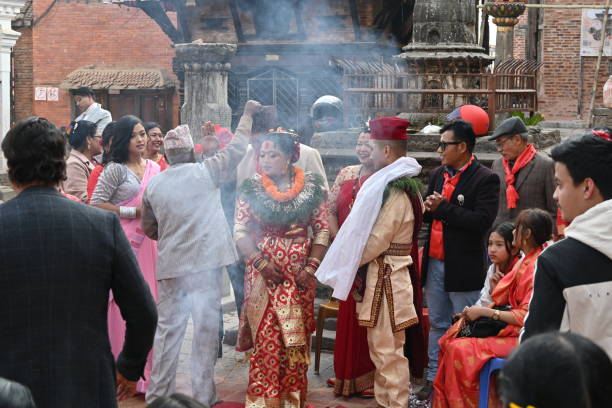
It Feels Less Like an Event and More Like a Moment
When people talk about triyuginarayan weddings, they usually describe them with this almost dreamy tone. And I get it. There’s something different about getting married in a place that’s believed to be the wedding site of Lord Shiva and Goddess Parvati. I remember the first time I read about it — I thought, okay that’s beautiful, but is it practical? Turns out, it can be both. It doesn’t feel like just another wedding trend. It feels like stepping into a story that’s been around way before hashtags and cinematic reels.
The Peace Is Real (And Slightly Surprising)
If you’ve been to typical big fat weddings, you know the chaos. Loud music, relatives arguing over seating, someone complaining about the food being too spicy. In contrast, triyuginarayan weddings have this natural calm. Maybe it’s the mountains. Maybe it’s the temple setting. Guests tend to slow down. Conversations are softer. Even the rituals feel more focused. I once attended a hill ceremony and noticed that people actually sat through the pheras instead of wandering off for selfies. That alone felt rare.
Budget Conversations Look Different Here
Let’s be honest, weddings are expensive. Sometimes unnecessarily so. In city celebrations, a huge part of the budget goes into décor and lighting that looks impressive for a few hours and then disappears. With triyuginarayan weddings, nature handles most of the aesthetics. The temple architecture, the open sky, the mountain backdrop — you’re not building a fake atmosphere. It’s already there. It’s like choosing a naturally scenic café instead of renting a plain hall and decorating it heavily. The money flows differently.
Guest Lists Become More Intentional
One thing I’ve noticed from couples choosing triyuginarayan weddings is that they usually keep the guest list tighter. Not because they have to, but because it feels right. Smaller gatherings mean you actually spend time with people. You remember conversations. You’re not overwhelmed trying to greet hundreds of guests in one evening. It feels more personal. And honestly, that intimacy makes the ceremony more emotional.
Travel Planning Is a Big Part of the Equation
Now, I won’t pretend it’s all effortless. Mountain weddings require planning. Travel logistics, accommodation booking, seasonal weather changes — all of that matters. I once underestimated how quickly hill hotels fill up during peak season, and that mistake cost me extra money. So yes, triyuginarayan weddings are beautiful, but they reward early preparation. The couples who plan ahead usually enjoy the experience far more.
Social Media Shows the Glow, Not the Work
Scroll through wedding reels and you’ll see stunning temple ceremonies bathed in golden light. It looks peaceful, almost cinematic. What you don’t see are the coordination calls, the timing adjustments, and the behind-the-scenes organization. People online often comment on how effortless these weddings look. The reality is, effort is there — it’s just handled quietly. That’s actually part of the charm.
Spiritual Significance Adds Emotional Weight
Even if someone isn’t extremely religious, the symbolism of getting married in a sacred place adds depth. It’s not just about rituals; it feels like starting life with intention. I’ve read comments where couples said they felt unusually calm during the ceremony. Maybe it’s psychological. Maybe it’s the environment. But there’s definitely an emotional layer that banquet halls can’t replicate.
It’s Not for Everyone, and That’s Okay
Of course, some couples dream of grand entries, choreographed dances, fireworks — the whole spectacle. Triyuginarayan weddings lean toward simplicity and sacredness. If you want dramatic production, you might find it understated. But if you value meaning over display, this kind of setting feels aligned. It’s less about impressing guests and more about experiencing the moment fully.
Why It Feels Like a Strong Beginning
There’s something grounding about beginning married life in a place that carries history and belief. It feels intentional. When you look back years later, you’re not just remembering decorations or outfits. You’re remembering the mountain air, the chanting, the quiet. And that memory sticks differently.
So are triyuginarayan weddings worth it? In my opinion, yes — if you’re looking for something meaningful, calm, and rooted in tradition rather than spectacle. They’re not just visually beautiful. They feel emotionally steady. And in a world where weddings sometimes feel like performances, choosing something real and sacred feels like a refreshing change.